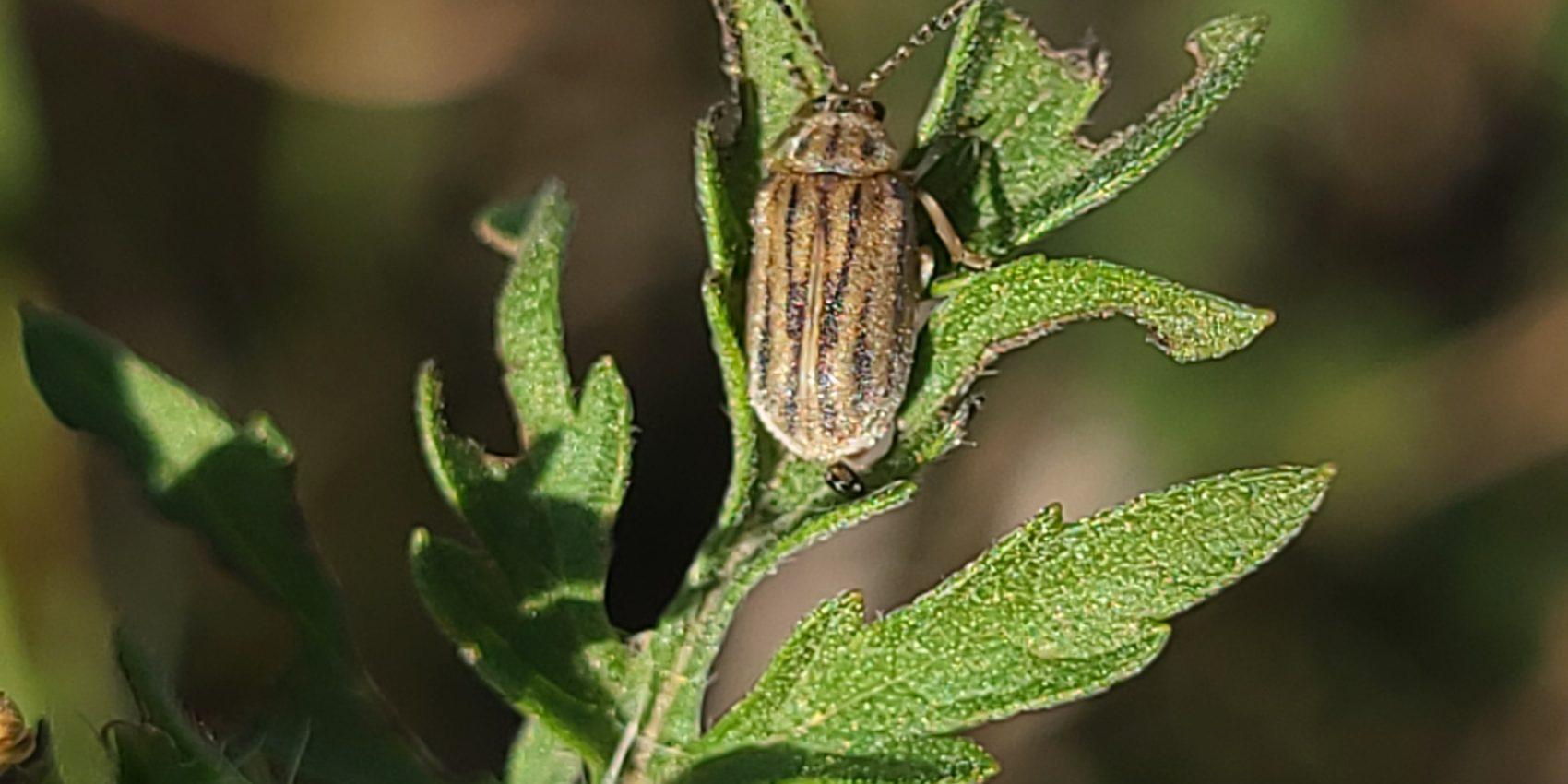
Invasive non-native species can be abbreviated as “invasives”. People bring them into the environment, intentionally or unintentionally. These can be not only plant species, but also animals, viruses or fungi. Those that manage to survive in a new environment and adapt well and quickly, spreading and threatening the habitats of native species are called invasive non-native species.
Which invasive non-native plant species are dominant in the protected area?
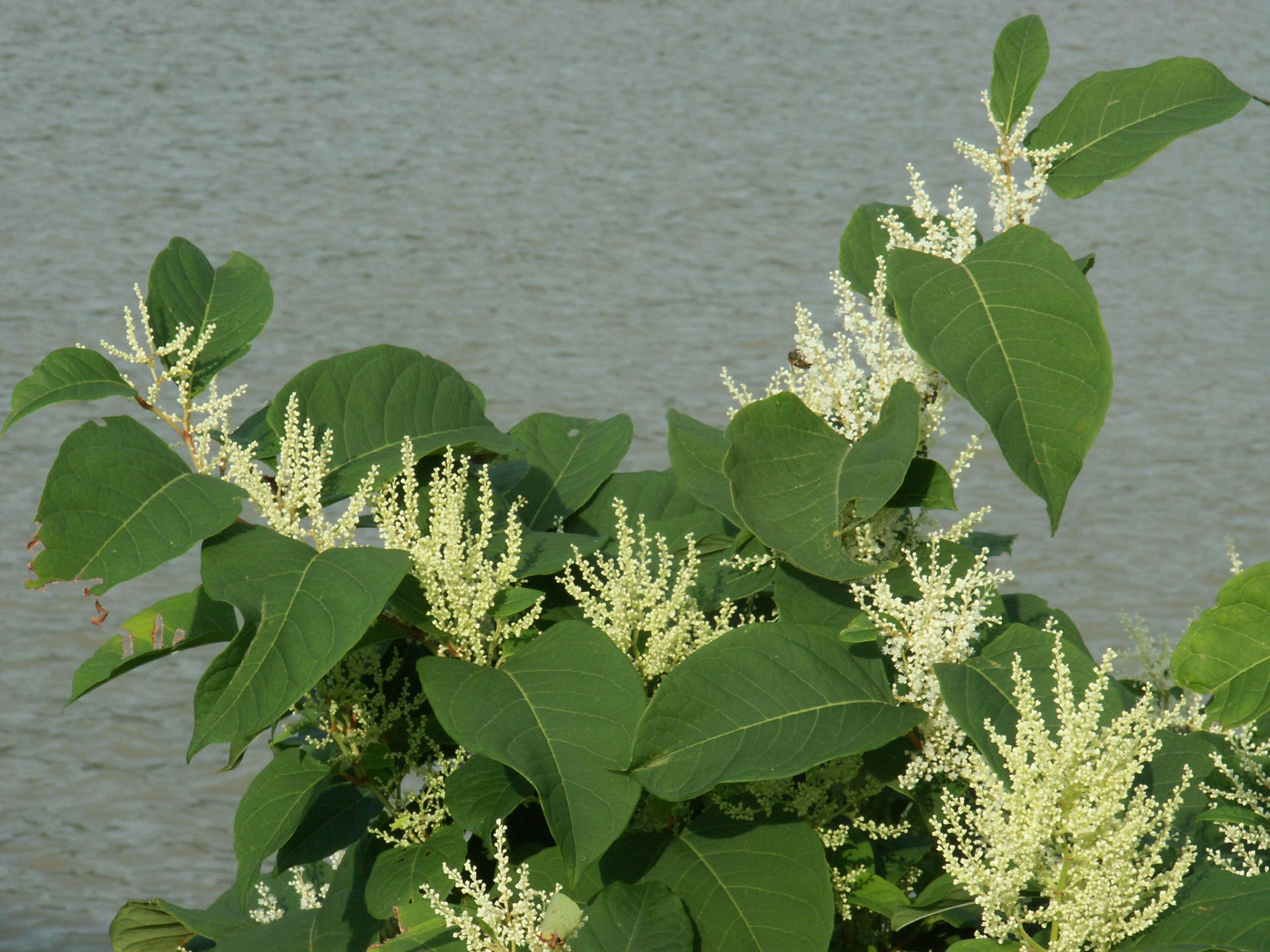
Ambrosia or common ragweed (Ambrosia artemisiifolia L.) is mainly found along roadsides, on abandoned farmland, and construction sites. It is the only “invasive” plant that landowners are obliged to remove to prevent its spread in accordance with the Regulation on measures for suppression of harmful plants of genus Ambrosia (Official Gazette of the RS, No. 63/10). We can also see: the tall goldenrod and Canada goldenrod (Solidago gigantea, Solidago canadensis), annual fleabane (Erigeron annuus), Jerusalem artichoke (Helianthus tuberosus), Canadian horseweed (Conyza canadensis), tree of heaven (Ailanthus altissima), Himalayan balsam (Impatiens glandulifera), Japanese knotweed (Fallopia japonica), wild cucumber (Echinocystis lobata), etc.
In Kozjansko Park, we are working to remove invasive plant species that threaten both agriculture and riparian vegetation. We also regularly monitor their status and distribution through monitoring.
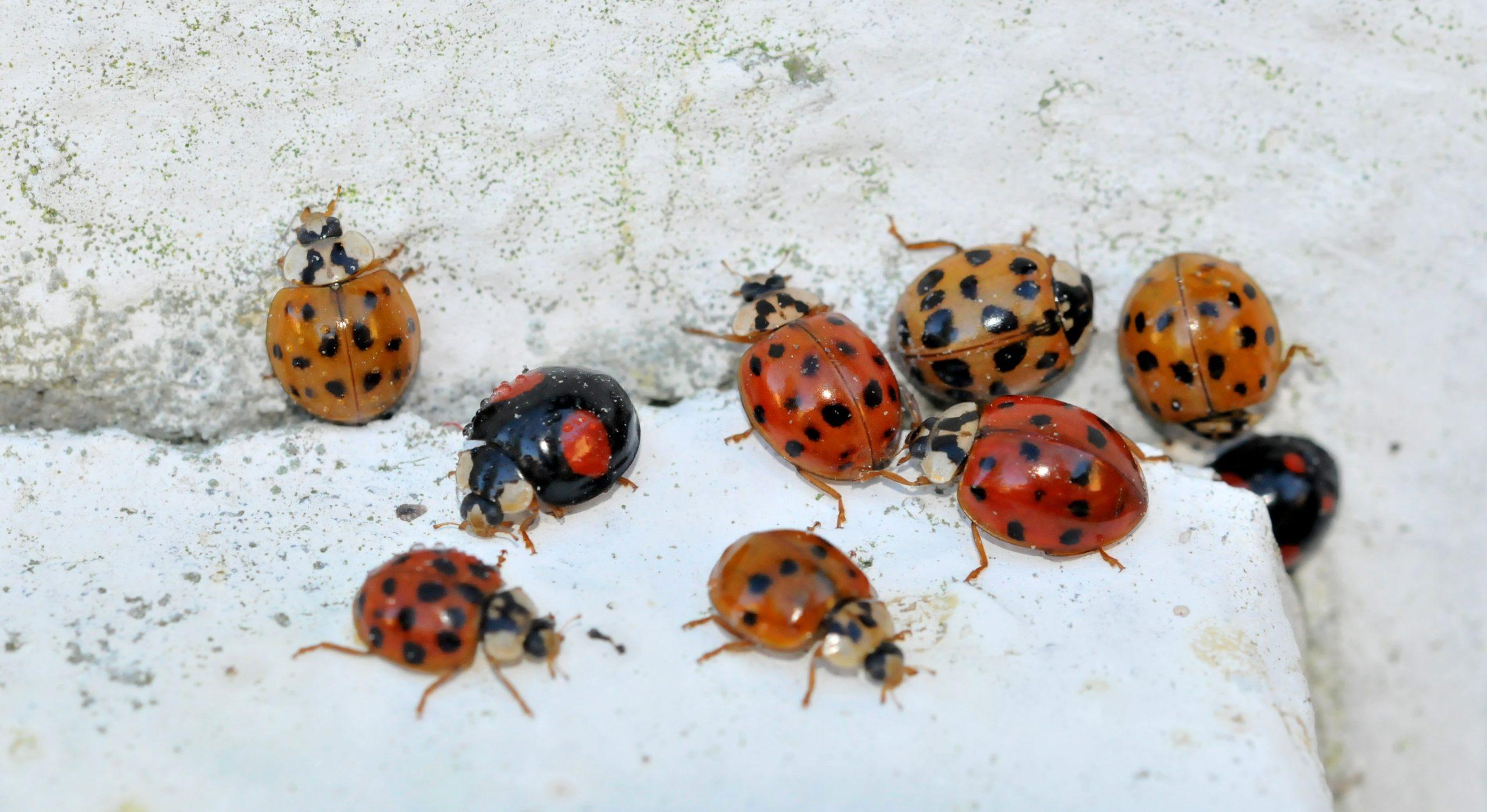
But it is not only invasive non-native plant species that are found here. There are also invasive non-native animal species, such as the well-known harlequin ladybird (Harmonia axyridis). They can be identified by their different number of dots and colouring. They are listed as one of the 100 most invasive species on the List of invasive alien species of Union concern. Other species of note include: the box tree moth (Cydalima perspectalis), oak lace bug (Corythucha arcuata), Japanese silk moth (Antheraea yamamai), chestnut gall wasp (Dryocosmus kuriphilus), locust digitate leafminer (Parectopa robiniella), brown marmorated stink bug (Halyomorpha halys), western conifer seed bug (Leptoglossus occidentalis), etc.
If you have also noticed an invasive non-native species in your area, just let us know at kozjanski-park@kp.gov.si.